Ganja Addiction in Gujarat — Why It's More Serious Than Most People Think
Cannabis, or ganja, is often dismissed as harmless. In reality, regular heavy use — especially among young adults in Gujarat — can cause significant psychiatric harm and is genuinely difficult to stop without support. This article explains why, and what families can do.
Why ganja is not the "harmless" habit people think
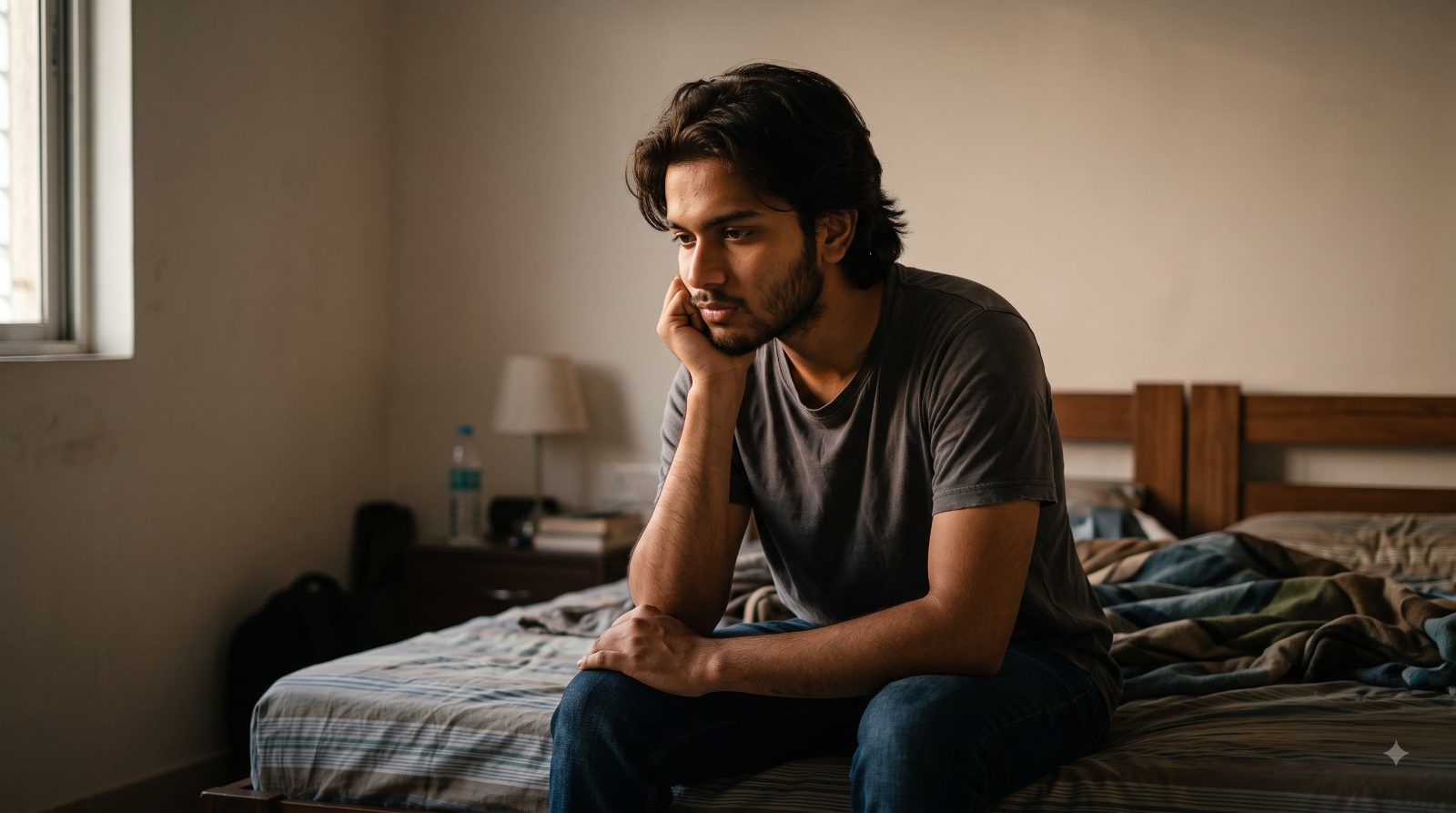
Cannabis (ganja, weed, charas) is widely seen as natural and low-risk — especially among young people in Gujarat. The reality is different. Today's cannabis is far more potent than a generation ago, and regular use can lead to genuine dependence, serious psychiatric symptoms and a slow erosion of motivation, memory and mental health.
Signs of cannabis dependence
Dependence is not about how often someone smokes — it is about the loss of control and the impact on daily life. Watch for a cluster of these:
- Using more, or more often, than intended
- Irritability, restlessness or low mood without it
- Losing interest in studies, work or friends
- Needing more to get the same effect
- Anxiety, paranoia or panic episodes
- Poor concentration and short-term memory
- Disturbed sleep and appetite
- In heavy users: confused or psychotic thinking
The mental health link
Heavy, long-term cannabis use is strongly associated with anxiety, depression and — in vulnerable people — psychosis. When cannabis use and a mental illness occur together, treating only one rarely works. VCAN treats both together, under one roof, with psychiatry and de-addiction care combined.
- "It is natural, so it is safe"
- "You cannot get addicted to ganja"
- "It helps my anxiety"
- "I can stop any time"
- Potency and risk have risen sharply
- Dependence is medically recognised
- It often worsens anxiety over time
- Withdrawal makes stopping genuinely hard
How VCAN treats cannabis addiction
Treatment is structured, confidential and tailored to the person — especially important for young adults and students.
Assessment
Full medical and psychiatric evaluation.
Stabilisation
Managing withdrawal, sleep and mood safely.
Therapy
Counselling and relapse-prevention skills.
Aftercare
Follow-up, family support and monitoring.
A confidential call is the first step — we guide you through it.
Recovery from cannabis dependence
Recovery from cannabis dependence is very achievable with the right support — and it is rarely about willpower alone. Because heavy use affects mood, motivation and sleep, stopping abruptly can leave a person anxious, irritable and unable to rest, which is exactly when many relapse. A supervised programme manages this difficult early phase so the person can actually stay the course.
At VCAN, cannabis treatment is delivered by specialist psychiatrists in a genuine hospital setting, not a general rehab centre. That matters most for young adults and students, who often present with a mix of dependence and underlying anxiety or low mood. Treating both together — with counselling, relapse-prevention skills and, where needed, medication — gives the strongest chance of a lasting recovery.
Families are involved throughout, and the entire process is confidential. Doorstep pickup is available across Vadodara and nearby districts, and a structured aftercare plan keeps recovery on track long after the initial stay. If you are worried about someone, reaching out early — before the problem deepens — makes recovery simpler and faster.
Frequently Asked Questions
Is cannabis really addictive?
My son only smokes occasionally — should I worry?
Can cannabis cause serious mental illness?
Is treatment confidential for students and young adults?
Written by the VCAN Medical Team, Vadodara Centre for Addiction & Neuropsychiatry. This article is for information and awareness only and is not a substitute for medical advice.